

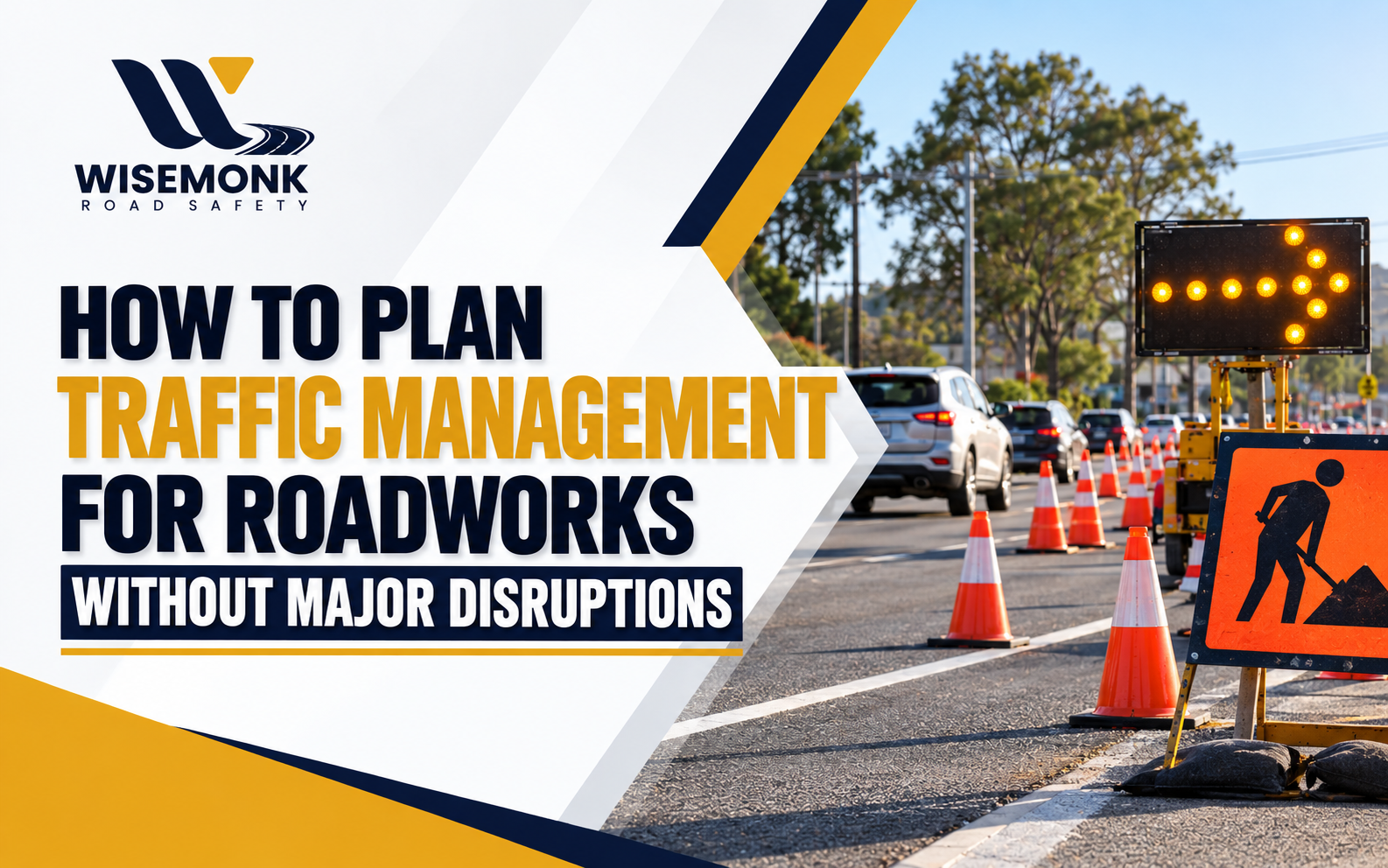
Roadworkses are essential for maintaining roads, upgrading infrastructure and supporting construction projects. However, poor planning can lead to traffic congestion, unexpected delays and safety risks for motorists, pedestrians and workers.
Effective traffic management for roadworks helps maintain safe traffic movement while allowing construction teams to complete their work efficiently. It involves planning vehicle routes, managing lane closures, installing appropriate signage and coordinating work schedules to minimise disruptions.
Whether you are managing a small road repair or a major construction project in Australia, a well-organised traffic management approach can make a significant difference.
Why Is Traffic Management Important During Roadworks?
Traffic management is essential for protecting road users, workers and nearby communities during construction activities. It helps maintain safe access, reduces unnecessary congestion and ensures roadworks follow relevant traffic control requirements.
Without proper planning, even minor roadworks can create significant problems, particularly on busy roads and near commercial areas.
- Improved road safety: Clear signs, barriers and traffic controls help reduce the risk of incidents.
- Reduced traffic congestion: Planned vehicle movements help prevent avoidable delays.
- Better worker protection: Appropriate work zones separate construction activities from moving traffic.
- Improved public access: Businesses, residents and emergency vehicles can maintain suitable access where practicable.
- Regulatory compliance: Proper planning supports compliance with applicable Australian and state-specific requirements.
Traffic management services – WiseMonk Road Safety
How Do You Plan Traffic Management for Roadworks?
Successful traffic management starts with understanding the road environment, identifying potential hazards and selecting appropriate traffic control measures. A structured planning process helps project managers anticipate disruptions before construction begins.
1. Assess Road Conditions and Traffic Patterns
Before starting roadworks, assess the surrounding road network and identify factors that could affect traffic movement.
- Existing traffic volumes and peak travel periods.
- Road width, speed limits and available lanes.
- Pedestrian crossings, cycle routes and public transport stops.
- Nearby schools, hospitals, businesses and residential properties.
- Heavy vehicle movements and emergency access requirements.
For example, roadworks near a busy Sydney intersection may require different controls from maintenance work on a quiet suburban street. A site-specific assessment helps determine suitable traffic arrangements and identifies where additional precautions may be necessary.
2. Develop a Detailed Traffic Management Plan
A Traffic Management Plan (TMP) outlines how traffic will be managed safely throughout a roadworks project. It should address potential hazards, traffic control arrangements, work activities and measures to minimise disruption.
- Worksite location and project duration.
- Traffic flow arrangements and proposed detours.
- Lane closure requirements and access restrictions.
- Pedestrian and cyclist management.
- Temporary signage, barriers and traffic control devices.
- Emergency vehicle access and incident response procedures.
In NSW, traffic arrangements must reflect the applicable requirements of the road authority, approved worksite conditions and relevant technical guidance.
Traffic Management Plan services – WiseMonk Road Safety
How Can Roadworks Be Scheduled to Reduce Traffic Disruptions?
Scheduling roadworks during suitable periods can significantly reduce their impact on motorists and surrounding communities. The ideal working hours depend on traffic conditions, project requirements, approvals and the type of construction activity.
Consider Off-Peak Working Hours
Where practical and permitted, schedule disruptive activities outside periods of heavy traffic.
- Plan suitable works outside morning and afternoon peak periods.
- Consider overnight works where lighting, noise restrictions and approvals allow.
- Coordinate deliveries to avoid busy traffic periods.
- Schedule high-impact activities when traffic volumes are generally lower.
However, night work introduces additional hazards, including reduced visibility and driver fatigue. Appropriate lighting, signs and safety controls are essential.
Coordinate Work Activities
Multiple construction activities taking place simultaneously can increase congestion. Project managers should coordinate contractors, equipment deliveries and road occupancy periods to avoid unnecessary lane restrictions. Good scheduling also reduces the likelihood of extending traffic controls beyond the time needed.
What Traffic Control Measures Help Maintain Safe Traffic Flow?
Appropriate traffic control measures guide motorists, pedestrians and cyclists safely around roadworks. The controls required depend on the road environment, traffic speed, worksite layout and identified risks.
Traffic control measure | Main purpose | Common application |
Temporary warning signs | Alert drivers to changed road conditions | Approaches to roadworks |
Traffic controllers | Direct traffic where authorised and appropriate | Restricted traffic movements |
Safety barriers | Separate traffic from work areas | Worksites requiring physical separation |
Lane closures | Create protected working space | Road repairs and construction |
Detour routes | Redirect vehicles around affected areas | Road closures |
Pedestrian management | Provide safe movement around works | Footpaths and urban construction areas |
All traffic control devices should follow the applicable approved arrangements and relevant standards.
Use Clear Signage and Advance Warnings
Drivers need sufficient time to recognise changing traffic conditions and respond safely. Temporary signs should communicate relevant hazards, speed restrictions and lane changes clearly. Sign placement must consider factors such as approach speeds, visibility, road geometry and the approved traffic guidance scheme.
Manage Lane Closures Carefully
Lane closures may be necessary when construction activities occupy part of the road. However, unnecessary closures can increase congestion and create additional risks.
Road and lane closure services – WiseMonk Road Safety
How Can You Maintain Pedestrian and Emergency Vehicle Access?
Roadworks should account for pedestrians, cyclists, public transport users and emergency vehicles, not just general traffic. Safe access arrangements are particularly important near schools, hospitals, shopping centres and residential areas.
- Providing suitable pedestrian detours around construction zones.
- Maintaining accessible routes for people with mobility needs.
- Keeping emergency access routes available or arranging approved alternatives.
- Managing access to nearby properties and businesses.
- Coordinating changes to bus stops and cycling routes where necessary.
Where existing footpaths become unavailable, alternative routes should be clearly identified and appropriately protected.
Why Are Traffic Guidance Schemes Important for Roadworks?
A Traffic Guidance Scheme (TGS) provides a detailed layout of temporary signs, barriers and other traffic control devices needed to guide road users safely around a worksite. Unlike a broader Traffic Management Plan, a TGS focuses on the physical traffic control arrangements at a particular location.
In NSW, relevant Transport for NSW technical requirements, AS 1742.3 and applicable Austroads guidance inform temporary traffic management arrangements. Requirements depend on the road authority, project and worksite conditions.
- Advance warning signs and their positioning.
- Traffic lane arrangements and transitions.
- Temporary speed management measures.
- Worksite protection and separation distances.
- Pedestrian and cyclist movement.
- Safe installation, operation and removal of traffic controls.
A well-designed scheme helps road users understand changed conditions without unnecessary confusion.
How Can Communication Reduce Roadwork Delays?
Clear communication helps road users prepare for changed traffic conditions before reaching the worksite. When residents, businesses and motorists understand upcoming closures or detours, they can make informed travel decisions.
Notify Affected Road Users Early
- Advance roadside notification signs.
- Notices to nearby residents and businesses.
- Updates through relevant council or road authority channels.
- Public transport service notifications.
- Information about expected construction periods and alternative routes.
Keep Traffic Information Accurate
Construction schedules can change because of weather, equipment issues or unexpected site conditions. Project teams should update relevant stakeholders when traffic arrangements change and ensure public notices remain accurate. Clear communication cannot eliminate every delay, but it helps reduce uncertainty and frustration.
How Should Traffic Management Be Monitored During Roadworks?
Traffic management requires ongoing monitoring because worksite conditions can change throughout a project. Regular inspections help identify damaged signs, unexpected congestion, unsafe pedestrian movements and other developing hazards.
- Checking that signs and barriers remain correctly positioned.
- Observing traffic queues and vehicle movements.
- Reviewing pedestrian and cyclist access.
- Identifying new hazards caused by changing work activities.
- Confirming that temporary controls match the approved arrangements.
If conditions change significantly, the responsible team should review the risk assessment and traffic arrangements before implementing necessary adjustments. Traffic control devices should also be removed or updated promptly when the relevant work stage finishes, following the approved procedures.
How Does WiseMonk Road Safety Help Manage Roadworks?
WiseMonk Road Safety provides traffic management and traffic planning services for construction projects, road maintenance and other activities that affect road users. The company supports projects across Sydney and New South Wales, helping clients organise traffic control arrangements that consider safety, site requirements and operational efficiency.
- Traffic management: Coordinating temporary traffic arrangements around construction and maintenance activities.
- Traffic Management Plans: Developing project-specific plans that address traffic movement and worksite safety.
- Traffic Guidance Schemes: Preparing detailed layouts for temporary signs, barriers and traffic control devices.
- Road and lane closures: Supporting planned restrictions and alternative traffic arrangements.
- Road Occupancy Licence assistance: Helping clients address relevant road occupancy approval requirements.
By combining traffic planning with practical worksite arrangements, WiseMonk Road Safety helps project managers prepare for roadworks while working to minimise unnecessary disruption.
Traffic Guidance Schemes – WiseMonk Road Safety
Conclusion
Effective traffic management for roadworks requires careful planning, suitable traffic controls, clear communication and regular monitoring. From assessing traffic patterns to preparing Traffic Management Plans and managing lane closures, every stage contributes to safer and more organised roadworks.
Construction teams should consider local traffic conditions, pedestrian access, emergency routes and relevant NSW road authority requirements before work begins. WiseMonk Road Safety offers traffic management, traffic planning, Traffic Guidance Schemes and road closure support for projects across Sydney and NSW.
Planning upcoming roadworks? Contact WiseMonk Road Safety to discuss your project requirements and suitable traffic management arrangements.